
Engine RPM and Minimum Operating Range
When a manual car shifts into a high gear, the engine must run at a lower rpm to match road speed. If the rpm falls below the engine’s minimum operating range, fuel delivery and spark timing falter, causing the engine to stall. Clutch control and throttle input keep rpm above threshold!!!!!!

Understanding Idle and Low-Speed Operation
At idle, the engine runs at a low, steady rpm—typically 600–900 rpm for most passenger cars. This range is carefully chosen so the combustion cycle remains stable, the fuel‑air mixture stays within the optimal lambda, and the ignition system can deliver a spark at the right crank angle. When a driver shifts into a high gear at a low vehicle speed, the engine is forced to drop below this idle band. If the rpm falls below the minimum operating point, the air‑fuel mixture becomes too lean or the spark timing is advanced too far, leading to misfires. The engine’s mechanical load, mainly from the clutch and transmission, then exceeds the power the combustion process can sustain, and the crankshaft slows enough for the piston to stall the cycle. This is why a stalled manual often occurs when the car is stopped in a high gear or when the driver releases the clutch too quickly without enough throttle. Proper idle control, such as a well‑tuned idle air control valve or electronic throttle body, keeps the rpm above the threshold during gear changes. Additionally, drivers should match throttle input to the clutch release rate, allowing the engine to maintain a minimum rpm while the vehicle accelerates from a stop. Ignoring these factors can cause the engine to lose momentum and shut down, especially on inclines or when the clutch is worn and adds extra load. Understanding the delicate balance between idle rpm, throttle input, and clutch engagement is key to preventing stalls in manual transmissions.
Implications of Operating Below Minimum RPM
Operating an engine below its minimum rpm threshold triggers a cascade of mechanical and electrical failures that culminate in a stall. At low rpm the combustion chamber’s air‑fuel mixture becomes too lean because the throttle plate is partially closed and the fuel injector pulse width is insufficient to compensate. The spark plug timing, calibrated for the engine’s normal operating band, is now advanced too far, causing the spark to ignite the mixture after the piston has already passed top dead centre. This late ignition results in a weak or absent combustion event, reducing cylinder pressure and the torque output. With diminished torque, the engine can no longer counteract the load imposed by the clutch and transmission; The clutch, especially if it is worn or has a high friction coefficient, exerts a significant drag on the flywheel; the engine’s low rpm cannot overcome this drag, so the crankshaft slows further. As the crank slows, the engine’s camshaft profile no longer aligns the valves with the correct timing, leading to valve overlap and further loss of compression. The engine’s electronic control unit (ECU) may detect the low rpm and, if the engine control strategy includes a stall protection feature, will cut the ignition or fuel supply to prevent damage. Even without electronic intervention, the mechanical stalling occurs when the engine’s net torque falls below zero. The result is a sudden loss of power and the engine shutting off. In addition, repeated stalling at low rpm can cause the clutch to overheat, the flywheel to vibrate, and the engine’s oil pressure to drop, all of which accelerate wear and reduce reliability. Therefore, maintaining rpm above the minimum operating range is essential for smooth gear changes, preventing stalling, and preserving drivetrain longevity.
In practice, drivers can mitigate these risks by using a lower gear when starting from a stop, keeping the engine in its optimal rpm band, and applying throttle gradually while releasing the clutch. Modern vehicles often incorporate idle‑control systems that automatically adjust the throttle position to keep rpm steady during gear shifts. However, if the clutch is worn or the transmission is out of sync, the engine may still be forced below its minimum rpm, leading to a stall. Understanding the physics behind low‑rpm operation helps drivers avoid the common pitfalls that cause manual cars to stall.!!!!
Gear Ratios and Their Impact on Engine Speed
High gear ratios lower engine rpm for a given road speed, risking low‑rpm stalling if the engine drops below its minimum operating range. Low ratios raise rpm, giving torque but increasing fuel use. Gear choice balances speed and torque!!!!
High Gear Ratios and Reduced Engine Speed
High gear ratios lower the engine’s revolutions per minute for a given vehicle speed, which can push the engine toward its minimum operating range. When the engine’s rpm falls below the threshold required for proper combustion, the fuel–air mixture becomes lean, spark timing may lag, and the piston’s compression cycle cannot sustain power. In a manual transmission, the driver’s ability to maintain adequate rpm depends on clutch engagement and throttle input. If the driver shifts into a high gear too early or releases the clutch too quickly, the engine may not receive enough air and fuel to stay above the idle limit, leading to a stall. Additionally, a worn clutch can create a delayed engagement that increases load on the engine, further dropping rpm. Modern engines often have idle control systems that attempt to keep rpm above the minimum, but in high‑gear situations the system may not compensate quickly enough, especially under load or when the engine is cold. The result is rapid! shutdown. Proper gear selection, smooth clutch release, and timely throttle application are essential to avoid dropping below the critical rpm threshold. If the driver consistently stalls in high gears, it may indicate a mechanical issue such as a slipping clutch, vacuum leak, or ignition timing problem that reduces the engine’s ability to maintain idle speed. Addressing these factors can improve reliability and prevent stalls in gear conditions!! Smoothly throttle input keep engine rpm and steady! fast!!
Low Gear Ratios and Torque Availability
In low gears, the transmission multiplies engine torque, allowing the vehicle to accelerate from a stop or climb steep grades. However, this torque multiplication also raises the load on the clutch and the engine’s combustion cycle. If the driver applies insufficient throttle while engaging a low gear, the engine may not produce enough power to overcome the increased load, causing the rpm to drop below the minimum operating range and the engine to stall. Additionally, low gear ratios can lead to higher engine rpm at a given vehicle speed, which may strain the clutch and cause premature wear. A worn clutch can slip, reducing the effective torque transmitted to the drivetrain and forcing the engine to work harder to maintain speed. This extra load can push the engine into a low‑rpm zone where ignition timing and fuel delivery are less efficient. The result is a sudden loss of power and a stall. Proper technique involves matching throttle input to the clutch release speed, ensuring the engine stays above idle rpm. Drivers should also avoid over‑releasing the clutch in low gears, which can create a sudden surge of torque that the engine cannot sustain. Regular maintenance of the clutch, engine timing, and fuel system can mitigate these stalls. In short, low gear ratios demand careful throttle management and a healthy clutch to prevent stalls caused by torque overload and insufficient rpm maintenance.
Maintaining proper clutch engagement and throttle timing is key to keeping the engine running smoothly in low gears, preventing stalls and ensuring reliable performance under load. When the engine is forced to operate at low rpm in a high gear, the combustion chamber may not ignite the mixture efficiently, leading to misfires and stalling. In low gears, the engine’s higher rpm can also cause the clutch to slip if the driver releases it too quickly, creating a sudden load that the engine cannot handle. Drivers can mitigate this by using the clutch pedal to control the engine’s rpm, keeping it above the idle threshold. A well‑lubricated clutch and proper gear selection reduce the risk of stalls. Additionally, modern engines with idle control systems can help maintain rpm, but they rely on the driver’s input to avoid sudden drops. Regular checks of the clutch’s hydraulic system, clutch pressure plate, and engine timing can prevent stalls in low gears. Finally, practicing smooth clutch release and throttle application in low gears is essential for maintaining engine rpm and preventing stalls during acceleration or hill starts.
Clutch Engagement and Load Transfer
When the clutch engages, the engine’s torque is transferred to the drivetrain. If engagement is abrupt or the clutch is worn, the sudden load can drop rpm below idle, causing a stall. Smooth release and proper clutch condition keep the engine running. Clutch with engine speed prevents stalls now.
Clutch slip occurs when the friction surface between the clutch disc and pressure plate cannot transmit the engine’s torque fully to the transmission. This slip creates a sudden, uneven load on the engine, causing its rpm to dip below the minimum idle threshold. The engine’s fuel injector and spark timing, calibrated for a steady load, are then unable to maintain combustion, leading to a stall. Slip is often caused by a worn clutch, insufficient pressure plate force, or improper clutch engagement timing. When the clutch slips, the engine must work harder to overcome the lost torque, which can cause the throttle to close automatically in some vehicles, further reducing rpm. The result is a chain reaction: slip → load spike → rpm drop → stalling. Drivers can mitigate this by ensuring the clutch is fully engaged before applying throttle, using a slightly higher throttle input during gear changes, and maintaining the clutch in good condition through regular inspections and replacements. Proper clutch operation keeps the engine load smooth, preventing the rpm from falling into the stall zone. Additionally, a clutch that is not properly adjusted can create a lag between the driver’s input and the engine’s response. This lag forces the driver to press the accelerator to compensate, which can further destabilize the rpm and increase the likelihood of a stall. Regular maintenance, including checking clutch fluid, adjusting the release lever, and inspecting the pressure plate, can mitigate these issues. Moreover, drivers should practice smooth clutch releases to avoid extremely sudden torque spikes that can push the engine below idle. Remember to keep the clutch fully engaged.
Clutch Wear and Inadequate Engagement
When the clutch components—disc, pressure plate, and release bearing—have endured repeated friction, their surfaces become glazed or pitted. This wear reduces the friction coefficient, so the clutch can no longer transmit torque efficiently. As a result, the driver must apply more pedal pressure to achieve the same engagement, but the pressure plate may not be able to deliver the necessary force. The engine then experiences a sudden drop in rpm as the torque is not fully transferred to the drivetrain. Inadequate engagement also means the clutch disc may not lock onto the flywheel, creating a micro‑slip that continuously drains engine speed. The engine’s idle control system, designed to maintain a steady rpm, cannot compensate for the rapid loss of torque, and the vehicle stalls. Additionally, a worn clutch often has a higher engagement point, meaning the driver must hold the pedal further back. This delay can cause the driver to release the clutch too early, allowing the engine to idle too low before the gear is fully engaged. The result is a mismatch between engine speed and gear ratio, forcing the engine into its minimum operating range and causing a stall. Preventing this issue involves regular inspection of clutch wear indicators, timely replacement of worn parts, and proper clutch adjustment to ensure the release lever is set correctly. Drivers should also practice smooth clutch releases and avoid aggressive pedal movements that can exacerbate wear Proper clutch care keeps.
Driver Timing: Clutch Release and Accelerator Input
Proper timing between clutch release and throttle is critical. If the clutch is released too early, engine load spikes and rpm drops below idle, causing a stall. A delayed release leaves the engine under‑loaded, and insufficient throttle fails to keep rpm up. Coordination. avoids stalls!
When a manual car shifts into a high gear, the engine’s speed must drop to match the road speed. If the engine’s revolutions per minute fall below its minimum operating range, the fuel‑air mixture and spark timing become inadequate, and the combustion cycle is interrupted. This loss of power causes the engine to stall. The clutch’s role is to transfer torque smoothly; if it is not engaged properly, the engine can be forced to run at an rpm that is too low for reliable operation. Drivers often experience stalling when they shift into 4th or 5th gear from a stop or when they try to accelerate too slowly after a gear change. The key to avoiding this problem is to keep the engine above its idle threshold by providing enough throttle and by selecting the appropriate gear for the speed and load. A well‑timed clutch release, combined with a steady accelerator input, keeps the engine’s rpm within the safe operating window and prevents stalling. Understanding the relationship between gear ratios, engine speed, and load is essential for smooth, efficient driving;
Insufficient Throttle During Gear Engagement
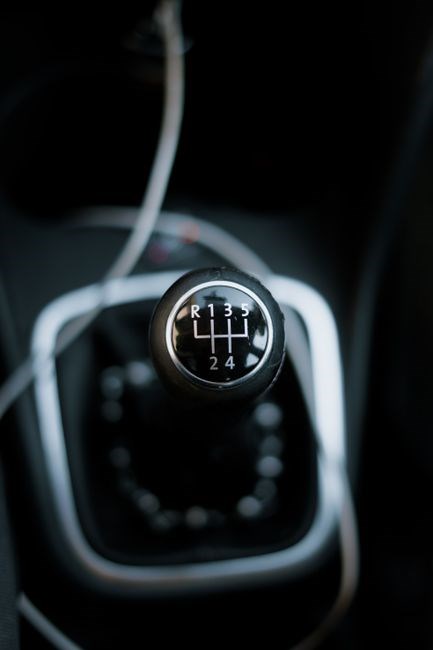
When a driver shifts into a higher gear, the engine must increase revolutions to maintain torque. If the accelerator is not opened enough as the clutch engages, the engine experiences a sudden load drop. This forces the rpm below the minimum operating range, destabilizing combustion and causing a stall. The problem is common when shifting from 3rd to 4th or 5th gear at low speed or from a stop; the engine’s rpm is already near idle, so any clutch slip without matching throttle creates a brief vacuum in the combustion chamber. Fuel injectors and spark timing are tuned for a specific rpm band; when rpm dips too low, the air‑fuel mixture becomes lean and the spark may be too advanced, leading to misfire. Even a slight hesitation in pressing the gas pedal can be amplified by clutch friction, causing loss of momentum. To avoid stalling, drivers should match throttle input to gear change: as the clutch is released, the accelerator should be opened smoothly and progressively, keeping the engine above idle. A brief “rev‑up” before full clutch engagement gives the engine a burst of rpm to absorb the load shift. On inclines or heavy loads, this technique is essential because the torque curve is stretched. If throttle is applied too late, the engine cannot rebuild rpm before the clutch fully engages, leading to a stall. Clutch wear also matters; a slipping clutch requires more throttle, while an overly tight clutch can surge load. Maintaining a clean clutch surface and proper hydraulic pressure ensures smooth engagement. Modern cars sometimes use a “clutch‑assist” system that modulates engagement to reduce spikes, but it still relies on adequate throttle. Drivers of older or aftermarket setups must rely on skill. Training focused on clutch‑release timing and throttle modulation can reduce stalls. Driving schools often use a “clutch‑and‑gas” drill, practicing shifts while keeping the engine at 1500–2000 rpm and gradually increasing release speed. Consistent practice builds muscle memory, letting drivers anticipate the engine’s response and apply the correct throttle at the right moment, thereby reducing stalls and improving efficiency. By mastering this coordination, drivers can maintain smooth acceleration and avoid the frustration of unexpected stalls.
Common Causes and Prevention Strategies
Engine stalls from low RPM, clutch slip, or throttle mis‑timing. Prevent by keeping idle above 1500 rpm, smooth clutch release, proper gear choice, and regular clutch maintenance. Check clutch fluid, gear ratios to avoid stalls.
Mechanical Issues: Engine, Clutch, and Transmission
Stalling often stems from mechanical faults that disrupt power delivery. A clutch disc or pressure plate can fail to transmit torque smoothly, causing the engine to lose momentum when the driver shifts. A clutch can drag the flywheel, forcing the engine to drop below its idle threshold. A synchronizer ring or a worn gear tooth set can create abrupt load spikes, which the engine cannot absorb without stalling. A fuel injector, a weak spark plug, or a vacuum leak that alters the air‑fuel mixture, leading to a lean condition that makes the engine hesitate at low rpm. An idle control valve can also keep the engine from maintaining a steady idle, especially when the throttle is closed. Inspection of clutch hydraulics, transmission fluid levels, and engine vacuum lines is essential. Replacing clutch components, ensuring proper gear mesh, and cleaning or replacing fuel injectors can restore smooth operation and prevent stalls. Even wear in the clutch release mechanism can cause hesitation, as the engine struggles to match the sudden torque surge, while a transmission oil temperature may increase friction and lead to unexpected stalls. Maintaining the clutch hydraulic fluid and ensuring the release bearing is free of debris will keep the clutch engaging smoothly and reduce the risk of sudden engine stalls during gear changes. Checking the engine’s compression and spark timing can reveal issues that may not be obvious during a quick inspection but can cause stalls under load. Finally, use gear for speed and load; mismatching can overload the clutch and engine, leading to stalls.
Driving Techniques to Avoid Stalling
Mastering throttle‑clutch coordination is the first line of defense against stalling. Begin by pressing the clutch fully to disengage the engine from the drivetrain, then shift into the correct gear. While the clutch is still depressed, gently lift the accelerator to raise engine rpm to a safe idle range—typically 1,200–1,500 rpm for most gasoline engines. This pre‑load ensures the engine has enough momentum to absorb the sudden torque surge when the clutch is released. When you release the clutch, do so smoothly and gradually; a rapid release forces the flywheel to decelerate abruptly, often dropping rpm below the minimum operating threshold. Pair this with a modest throttle input—enough to keep the engine above idle but not so much that you overshoot the gear’s optimal speed. If you’re starting from a stop, use a slight “kick‑start” technique: depress the clutch, give a small burst of throttle, then release the clutch while maintaining that burst. This keeps the engine from stalling during the initial engagement. In uphill or heavy‑load situations, consider downshifting to a lower gear before the engine’s rpm falls too low; this keeps the engine within its efficient operating band. Practice “rev‑matching” on manual transmissions with synchromesh: when you downshift, match the engine speed to the lower gear’s speed by blipping the throttle before clutch release; this prevents a sudden load spike that could cause a stall. By combining these techniques—proper clutch release timing, adequate throttle, and strategic gear selection—you can reduce the likelihood of stalling and enjoy manual—driving!.