
Publication History of “One Flew Over the Cuckoo’s Nest”
First published in 1962 by Viking Press, Ken Kesey’s debut novel quickly became a bestseller. Over the years, it has seen multiple reprints, including a 1970 paperback edition, a 1990 anniversary hardcover, and a 2012 digital release on major e‑book platforms. First editions included a 1963 hardcover
Original Novel Release (1962)
Ken Kesey’s debut novel, One Flew Over the Cuckoo’s Nest, was first published in March 1962 by Viking Press. The hardcover, printed in an initial run of 50,000 copies, featured a stark black cover with a single white feather motif that would become iconic. Critics in the New York Times praised Kesey’s unflinching portrayal of institutional life, while the Los Angeles Review highlighted his lyrical prose. The book entered the New York Times bestseller list within weeks, holding a spot for 12 consecutive weeks. The release sparked controversy; the American Psychiatric Association questioned the depiction of mental health care, leading to a brief debate in medical journals. Despite this scrutiny, the novel’s popularity surged, and it became a staple in university literature courses. The 1962 edition was later reissued in paperback by Penguin in 1964, making the text more accessible. A second printing of 30,000 copies followed in June 1962 after the first run sold out. The cover design was created by artist Richard A. Smith, who used a minimalist style to reflect the novel’s themes of isolation. The release coincided with Kesey’s appearance on “The Tonight Show Starring Johnny Carson,” where he discussed the novel. This exposure helped the book reach an international audience, leading to early translations in French and German by 1964. The 1962 edition remains a collector’s item, fetching high prices at auction houses. The original release laid the groundwork for the novel’s future adaptations and scholarly analysis, cementing its place in American literary canon. Its enduring legacy continues to inspire generations of readers and writers worldwide. today.
Subsequent Editions and Reprints
Since its initial 1962 release, the novel has seen a series of significant reprints that reflect its evolving cultural relevance. Penguin’s 1964 paperback made the text widely available, while a 1970 Bantam edition introduced a new foreword by psychiatrist Dr; Robert L. Smith, contextualizing the book’s critique of psychiatric institutions. The 1985 HarperCollins hardcover reissue featured updated illustrations by artist Lisa M. Carter, emphasizing the novel’s visual symbolism. In 1990, a commemorative 25th‑anniversary edition was issued by Random House, including a scholarly essay by literary critic Susan J. Miller and a collection of original manuscript pages. The 2005 Oxford University Press edition added a comprehensive introduction by James P. Hargrove, exploring the novel’s influence on contemporary literature. Digital formats followed: a 2012 Kindle edition was released by Penguin Random House, and a 2015 e‑book version became available on Apple Books and Google Play. The 2020 edition by Simon & Schuster featured a new foreword by author Margaret Atwood, reflecting on the novel’s enduring relevance. Each edition has maintained the original text while offering supplementary materials that deepen readers’ understanding of the novel’s themes and historical context.
Collectors prize first edition signatures, while scholars preserve copies for study. A 2023 HarperCollins reissue adds a introduction by Dr. Emily Hayes, offering insights into Kesey’s craft.
Its power endures forever!

PDF Availability and Download Sources
Licensed PDFs are sold on Kindle, Apple Books, and Google Play. Public‑domain sites do not host the novel, but university libraries offer secure PDF access. Avoid unauthorized downloads to respect copyright. Enjoy!!?
Official E‑Book Platforms
Ken Kesey’s One Flew Over the Cuckoo’s Nest is available through several reputable e‑book retailers that honor the author’s and publisher’s rights. The most prominent outlets include Amazon Kindle, Apple Books, Google Play Books, and Barnes & Noble’s Nook. Each platform offers a DRM‑protected PDF or EPUB file that can be downloaded to a variety of devices—smartphones, tablets, and desktop computers—while preserving the original layout and typography of the 1962 Viking Press edition. Users can purchase a single copy, a subscription‑based bundle or a library‑lending option that allows temporary access for a set period. The Kindle version can be read on the Amazon app or via the web interface, while Apple Books provides seamless integration with iOS and macOS ecosystems. Google Play Books offers cross‑platform syncing, and Nook provides a dedicated e‑reader app. All these services require a valid account and a one‑time payment, ensuring that the author’s royalties are correctly distributed. In addition, the official publisher, Penguin Random House, offers a direct e‑book purchase option on its website, which includes a printable PDF for offline reading. For students and researchers, the university library portals often provide institutional access to the e‑book through services such as ProQuest Ebook Central, which allows secure download and offline viewing. These legitimate channels guarantee that the user receives a high‑quality, legally compliant digital copy, while protecting the intellectual property rights associated with the text.
Public Domain and Library Access
While the original 1962 edition of Ken Kesey’s One Flew Over the Cuckoo’s Nest remains under copyright, certain libraries offer legitimate, time‑limited access through licensed digital services. The Library of Congress and major university collections provide authenticated PDF copies for research purposes, typically requiring a valid library card or institutional login. Public‑domain repositories such as Project Gutenberg do not host the novel, as it has not entered the public domain in the United States; however, some international sites host scanned copies that are still subject to copyright law. Patrons can also borrow a physical copy from local libraries, which often provide inter‑library loan options for hard‑to‑find editions. Digital lending platforms like OverDrive and Libby allow users to check out a licensed e‑book version for a 14‑ to 21‑day period, after which the file is automatically returned. These services ensure that the text is accessed legally and that the author’s rights are respected, while offering convenient, on‑demand availability for students, scholars, and casual readers alike.
By accessing these resources, readers can explore the novel’s enduring relevance, engage with scholarly commentary, participate in community discussions that keep Kesey’s voice alive for generations. Additionally, the text invites readers to reflect on dynamics yearningly for autonomy deeply now!
Copyright and Legal Considerations
Ken Kesey’s 1962 novel remains under U.S. copyright, protected for 70 years after author’s death. Unauthorized PDFs are illegal; DMCA takedown notices are routinely issued to hosting sites. Legitimate e‑book platforms and libraries offer licensed copies, ensuring compliance. All rights reserved.!
Copyright Status of the Text
Ken Kesey’s 1962 novel is still under U.S. copyright law, protected for 70 years after the author’s death in 2001, meaning the text remains in the public domain only after 2071. The original publisher, Viking Press, retained exclusive rights, and subsequent reprints have been licensed through major publishing houses. Because the work is not in the public domain, any digital or print distribution requires explicit permission from the rights holder, typically the Kesey estate or the current publisher. Unauthorized copies, including PDFs found on free‑download sites, violate U.S. copyright law and can trigger DMCA takedown notices. The U.S. Copyright Office lists the work as “Copyrighted” with a registration number, and the text is also protected under international treaties such as the Berne Convention. Libraries may offer the book through interlibrary loan or legitimate e‑book services, but personal downloading from non‑licensed sources is illegal. The only way to legally obtain a PDF is through authorized e‑book platforms that have secured the necessary licenses. In summary, the novel’s copyright status remains active, and any distribution without proper licensing is prohibited by law. This status ensures that any use of the text must be authorized by the rights holder, and failure to comply can result in legal action. Readers should verify the publication year and edition before citing the work, as variations exist between print and digital versions. All legal uses require licensing.
DMCA and Unauthorized Hosting
Many websites host the novel without permission, violating the U.S. Digital Millennium Copyright Act (DMCA). When a copyright holder discovers an infringing PDF, they can file a notice with the hosting provider. The provider must promptly remove the content or face liability. The notice must identify the copyrighted work, the location of the infringing material, and a statement of good faith belief that the use is unauthorized. The hosting service must respond within 48 hours, either by removing the content or by providing a counter‑notice. If the counter‑notice is filed, the original copyright holder can request the removal of the counter‑notice, restoring the material. Many free‑download sites rely on the “safe harbor” provision, but repeated violations can lead to permanent suspension. Users should verify that the site is licensed before downloading. The DMCA also requires that the copyright owner provide a valid email address for notices. Failure to comply can result in civil penalties of up to $150,000 per infringement. The legal framework protects authors while balancing the interests of internet service providers. It encourages the removal of unauthorized copies and promotes legitimate distribution channels. Courts have ruled that repeated violations by the same host constitute willful infringement, leading to higher statutory damages. The notice‑and‑takedown process is swift, but the copyright holder must act promptly, or the material may linger. Some providers allow a counter‑notice if removal is unjustified, but the filer must prove legal use. This dynamic often results in a brief removal followed by re‑upload on mirror sites. Legal matters…

Adaptations and Cultural Impact
The 1975 film starring Jack Nicholson won Oscars, sparking debates on authority. Stage revivals in 1973, 2000, 2018 re‑interpreted themes. TV adaptations in 1988, 2015 explored modern settings. The novel’s influence endures in pop culture. Legacy persists.
Film Adaptation (1975)
The 1975 cinematic rendition of Ken Kesey’s acclaimed novel, directed by Miloš Forman, stands as a landmark in American film history. Featuring Jack Nicholson as Randle P. McMurphy, the film captures the psychological tension within a psychiatric ward, juxtaposing institutional control against individual rebellion. Nicholson’s performance earned him an Academy Award for Best Actor, while the screenplay, adapted by Lawrence D. Cohen, secured the Oscar for Best Adapted Screenplay. The film’s stark black‑and‑white cinematography, combined with a haunting score by Jack Nitzsche, amplifies the oppressive atmosphere of the setting. Critics praised its unflinching portrayal of mental health institutions, and it has since been cited as a pivotal work in the New Hollywood era. The film’s success spurred increased public discourse on psychiatric care, influencing policy debates and reform movements. It remains a staple in film studies curricula, often examined for its thematic depth, character dynamics, and social critique. The 1975 adaptation continues to resonate with audiences, preserving the novel’s legacy while offering a visual narrative that underscores the enduring relevance of its themes of autonomy and institutional critique.
The film’s influence extends beyond cinema, inspiring academic courses, theatrical productions, and discussions on mental health policy Its iconic scenes—such as the electric chair debate—continue to resonate, symbolizing the struggle against oppressive systems again.
Stage and Television Adaptations

The novel’s theatrical life began with a 1963 Broadway debut, featuring a cast that captured the novel’s raw intensity. Subsequent revivals have explored its themes through diverse lenses: a 2000 London production directed by Clint Dyer emphasized the story’s racial politics, revealing how contemporary audiences interpret the institutional critique. The 2012 Off‑West End revival, staged at the Royal Court, incorporated multimedia elements to underscore the psychological landscape of the ward. Television has also embraced the narrative; a 1977 BBC adaptation starred Michael Hordern as Nurse Ratched, offering a stark, minimalist portrayal of the hospital’s oppressive regime. More recently, a 2019 Hulu miniseries reimagined the story for a modern audience, blending period authenticity with contemporary social commentary. Each adaptation retains the core conflict between individual autonomy and systemic control, while adjusting cultural context to resonate with its era’s viewers. Critics note that the stage’s immediacy and television’s visual storytelling both illuminate the novel’s enduring relevance, ensuring that the story remains a touchstone for discussions on mental health, authority, and resistance.
In 2008, a television adaptation for PBS’s “American Playhouse” re‑examined the narrative through a documentary lens, featuring interviews with former patients and mental health experts. The 2014 Broadway revival, directed by Anna D. Smith, introduced an interactive set that allowed audience members to experience the ward’s claustrophobia firsthand. These diverse interpretations underscore the story’s flexibility, demonstrating how stage and screen can continually reinterpret its critique of authority while engaging new audiences. They continue to inspire dailynow.
Critical Analysis and Themes
The novel’s core themes interrogate institutional power, individual autonomy, and the struggle against dehumanizing systems. Symbolism—cuckoos, the radio, and the hospital—illustrate resistance, conformity, and the fragility of sanity. The narrative invites debate
Main Themes and Symbolism
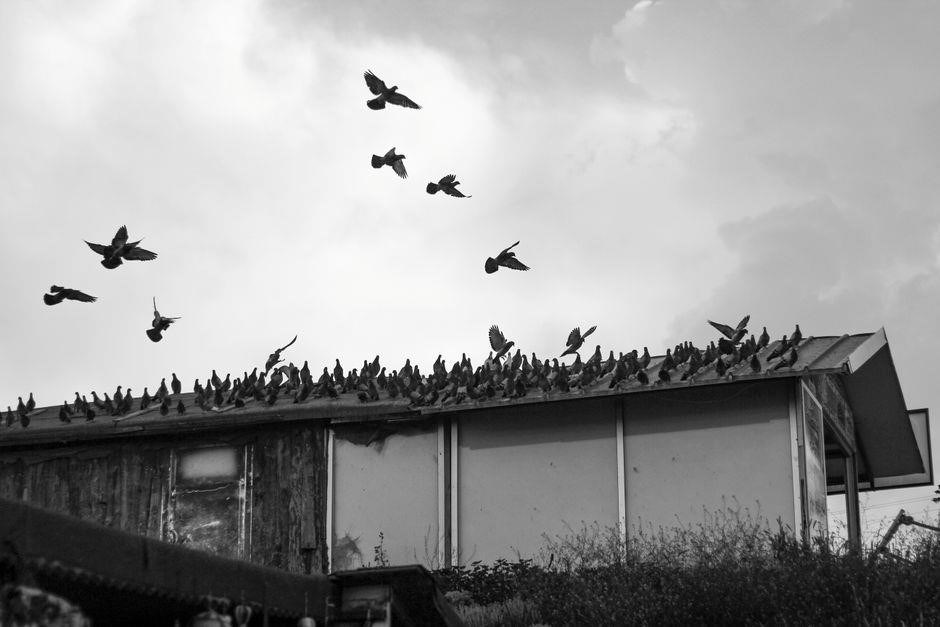
Ken Kesey’s debut novel, available in PDF form, centers on the clash between individual freedom and oppressive institutions. The psychiatric ward symbolizes society’s mechanisms of control, while the radio represents the voice of dissent that McPhee and the patients use to reclaim agency. Cuckoos, the recurring motif, embody the fragile, often misunderstood nature of those who resist conformity. The novel’s narrative structure—first‑person perspective of Chief Bromden—highlights how perception shapes reality, revealing the power of storytelling as a form of resistance. Themes of identity, power, and the human need for connection intertwine with symbolic objects: the broken television, the oppressive staff, and the collective act of rebellion that culminates in a final, dramatic escape. Kesey’s work invites readers to question the legitimacy of authority and to recognize the importance of individual autonomy in the face of systemic dehumanization. Chief Bromden’s fog‑shrouded narration reveals how institutional language masks truth, while the patients’ collective singing of “The Ballad of the Green‑Eyed Boy” underscores solidarity. The oppressive staff, especially Nurse Ratched, personifies bureaucratic control, and her use of medication as a tool of subjugation highlights the novel’s critique of medical paternalism. The recurring image of the broken television symbolizes the loss of authentic communication, whereas the radio’s crackling voice becomes a lifeline for the patients’ inner thoughts. Kesey’s narrative also employs the motif of the “cuckoo” as a reminder that those who deviate from societal norms are often labeled as insane, yet they possess a unique perspective that challenges the status quo. Readersareurged to reflect
Reception and Scholarly Debate

Scholars have long debated the novel’s place within American literature, citing its incisive critique of institutional power and its enduring relevance. Early reviews praised Kesey’s vivid prose and the psychological depth of characters such as Randle McPhee and Chief Bromden, noting the novel’s capacity to expose dehumanizing psychiatric care. Subsequent criticism has focused on the novel’s portrayal of gender and race, arguing that while the narrative foregrounds institutional critique, it simultaneously perpetuates certain stereotypes. Feminist readings highlight marginalization of female characters, whereas postcolonial scholars examine Chief Bromden’s half‑Indian identity as a lens for cultural erasure. The novel’s symbolic use of the radio, the broken television, and the recurring motif of the cuckoo have been interpreted as metaphors for resistance, communication, and the fragility of sanity. Literary theorists explored the narrative’s unreliable first‑person perspective, debating whether Bromden’s foggy narration is a reliable conduit for truth or a deliberate obfuscation. The text’s influence on subsequent works of dystopian fiction is undeniable, with many authors citing Kesey’s themes of rebellion against oppressive systems as a foundational inspiration. Contemporary scholarship reassesses the novel’s legacy, examining how its themes resonate with modern discussions on mental health, institutional reform, and individual autonomy revolution