
Troy-Bilt Snowblower Manual: A Comprehensive Guide
This manual provides essential guidance for Troy-Bilt snowblower owners, covering model understanding, safety, operation, maintenance, and troubleshooting – as of today, 05/04/2026;

Understanding Your Snowblower Model
Your Troy-Bilt snowblower is a powerful machine designed for efficient snow removal. Familiarizing yourself with its specific features is crucial for safe and effective operation. Different models – like the Troy-Bilt Storm 24 – possess varying capabilities, from single-stage to two-stage systems, impacting their performance in different snow conditions.
Understanding the components, such as the auger, impeller, and chute, is essential. Knowing how these parts work together allows for proper maintenance and troubleshooting. The year of manufacture, deciphered from the serial number (potentially 2011 based on some sources), can indicate the model’s generation and associated features. Refer to your specific model’s documentation for detailed specifications and diagrams.
Locating the Model and Serial Number
Identifying your Troy-Bilt snowblower’s model and serial number is the first step for accessing specific information and support. These numbers are vital for ordering parts, understanding your machine’s specifications, and determining its year of manufacture. Typically, a model/serial number decal is affixed to the snowblower’s frame.
Common locations include the rear engine shroud, under the auger housing, or near the operator’s console. The serial number is usually an 11-character code. According to Troy-Bilt sources, the 5th character can indicate the last digit of the manufacturing year. Carefully inspect these areas; the decal may be covered or partially obscured. Having both numbers readily available streamlines any service or warranty claims.
Decoding the Serial Number (Year of Manufacture)
Understanding how to decipher your Troy-Bilt snowblower’s serial number can reveal its year of manufacture. The serial number is an 11-character code, and according to Troy-Bilt’s scheme, the 5th character specifically indicates the last digit of the year it was built. For example, if the 5th character is ‘1’, the snowblower was likely manufactured in 2011.
However, it’s important to note that this is a guideline, and variations may exist. While some sources suggest a 2011 build date is possible, confirming the exact year might require contacting Troy-Bilt support directly with the complete serial number. This information is crucial for accessing appropriate parts diagrams and service bulletins specific to your machine’s production year.
Safety Precautions and Warnings
Prioritizing safety is paramount when operating your Troy-Bilt snowblower. Always disconnect the spark plug wire before performing any maintenance or adjustments to prevent accidental starting. Never put your hands or feet near the rotating auger or impeller while the engine is running. Be mindful of bystanders, children, and pets – maintain a safe operating distance.
Avoid operating the snowblower on steep slopes, as this can lead to loss of control. Dress appropriately, wearing warm clothing, gloves, and eye protection. Never alter or disable safety devices. Regularly inspect the machine for worn or damaged parts, and replace them immediately. Familiarize yourself with the emergency shut-off procedures before each use.
Pre-Operation Checklist
Before each use, a thorough pre-operation check ensures optimal performance and safety. First, verify the fuel level and add fresh gasoline if needed, ensuring it’s appropriate for cold weather. Check the oil level and top up if necessary, using the recommended grade. Inspect the auger and impeller for any obstructions or damage – clear any debris before starting.
Confirm the snow chute is securely fastened and can rotate freely. Examine the skid shoes for wear and adjust their height as needed for your terrain. Ensure all nuts and bolts are tightened, and that safety shields are in place. Finally, review the operating instructions to refresh your memory on controls and procedures.
Fueling and Oil Checks
Proper fueling and oil maintenance are crucial for reliable engine operation. Always use fresh, clean gasoline with an octane rating recommended in your specific model’s documentation. Avoid fuel blends containing ethanol exceeding 10%, as it can damage the fuel system. When refueling, do so outdoors in a well-ventilated area, and never while the engine is running or hot.
For oil, check the level using the dipstick before each use. Add oil of the recommended viscosity as specified in the manual. Regularly changing the oil – typically after every 25 hours of operation – extends engine life. Dispose of used oil responsibly at a designated recycling center.
Auger and Impeller Inspection
Before each use, thoroughly inspect the auger and impeller for any damage or wear. Look for bent or cracked blades, loose bolts, or obstructions like rocks or ice. A damaged auger can reduce snow-throwing efficiency and potentially cause further damage to the machine. Ensure all hardware is securely tightened.
Check the shear pins – designed to break upon impact with a solid object – and replace them immediately if they are sheared. Never attempt to operate the snowblower with missing or damaged shear pins. Regularly inspect the impeller housing for cracks or deformation, and address any issues promptly to maintain safe and effective operation.
Starting Procedures
Prior to starting, ensure the auger is disengaged and the snow chute is directed away from people and property. Confirm sufficient fuel and oil levels, as outlined in the pre-operation checklist. For a cold start, prime the engine by pressing the primer bulb several times. Set the choke to the ‘ON’ position and firmly grasp the starter handle, pulling it briskly.
A warm start typically requires less priming or no priming at all. The choke may also be partially or fully open. Continue pulling the starter cord until the engine starts. If the engine fails to start after several attempts, consult the troubleshooting section of this manual.
Cold Start Instructions
When initiating a cold start, particularly in freezing temperatures, several steps are crucial for successful engine ignition. Begin by verifying the fuel shut-off valve is open. Prime the engine by firmly pressing the primer bulb 3-5 times – you may observe fuel entering the carburetor. Position the choke lever to the ‘ON’ or ‘FULL’ setting; this enriches the fuel mixture for cold conditions.
Grasp the starter handle with a firm grip and pull the cord with a swift, controlled motion. Repeat this process several times, allowing the engine to attempt ignition. If unsuccessful after 5-7 pulls, slightly adjust the choke and retry.
Warm Start Instructions
Initiating a warm start differs from a cold start, as the engine retains some residual heat. Begin by ensuring the choke lever is in the ‘OFF’ or ‘RUN’ position – avoid using the choke unless the engine struggles to ignite. Verify the fuel shut-off valve remains open to ensure a consistent fuel supply.

Grasp the starter handle firmly and pull the cord with a smooth, deliberate motion. The engine should ignite with fewer pulls compared to a cold start. If the engine fails to start after 3-5 attempts, briefly engage the choke and retry. Avoid excessive priming, as this can flood the engine.
Operating Instructions
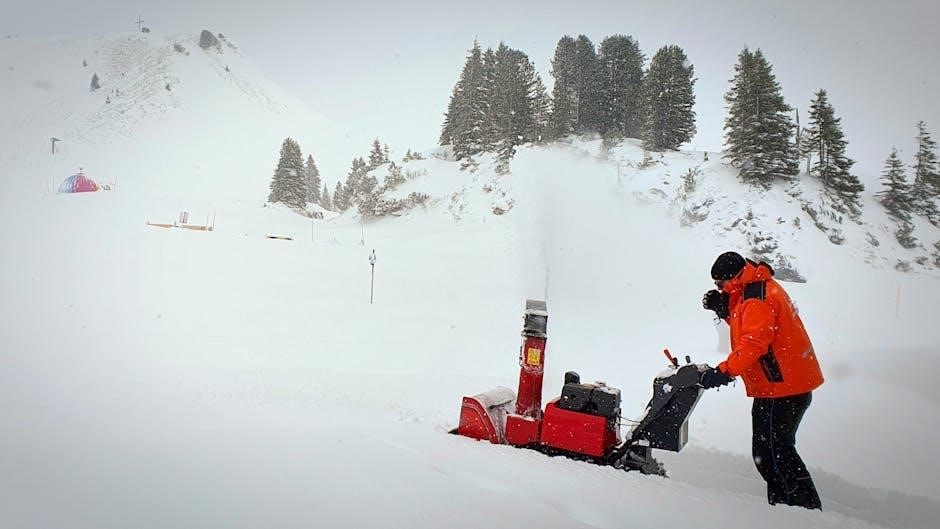
Before commencing operation, ensure the area is clear of people, pets, and obstacles. Select a suitable speed based on snow depth and conditions – lower speeds for deep snow, higher speeds for lighter accumulations. Engage the auger and drive controls gradually to avoid sudden movements.
Overlap each pass slightly to prevent leaving unsnowed strips. Be mindful of the discharge chute direction, avoiding aiming snow towards people, buildings, or vehicles. Regularly monitor engine temperature and fuel levels during extended use. Stop the engine immediately if any unusual noises or vibrations occur.
Adjusting the Snow Chute
The snow chute directs the flow of snow, and proper adjustment is crucial for efficient clearing. Locate the chute rotation handle – typically positioned on the control panel. Rotate the handle to aim the chute in the desired direction, ensuring it’s clear of obstructions. Some models feature a deflector to control the snow stream’s height and distance.
Adjust the deflector to prevent snow from hitting windows or parked cars. Avoid forcing the chute beyond its limits, as this could cause damage; Regularly check the chute’s movement for smoothness and address any binding issues promptly. Remember safety first – never adjust the chute while the auger is engaged!
Adjusting the Skid Shoes
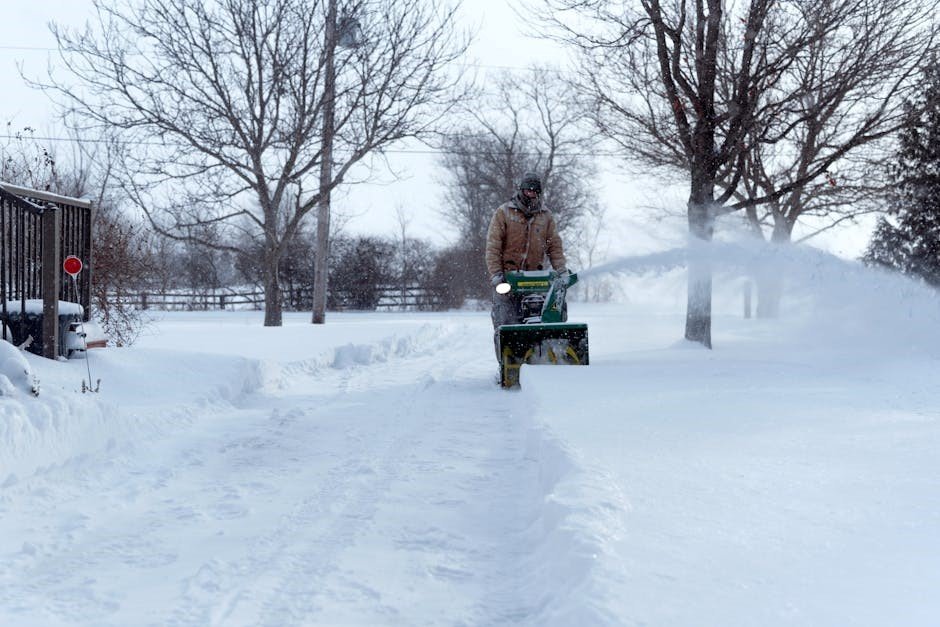
Skid shoes maintain the optimal clearing height, preventing damage to your driveway and ensuring efficient snow removal. Locate the skid shoe adjustment levers or bolts – typically found near each wheel. Lowering the skid shoes increases the clearing height, ideal for deep snow, but requires more engine power. Raising them reduces the height, suitable for smooth surfaces and lighter snowfalls.
Ensure both skid shoes are adjusted to the same height for even clearing. Regularly inspect the skid shoes for wear and tear, replacing them when necessary to protect your driveway. Proper adjustment minimizes gravel pickup and maximizes snow removal effectiveness. Always disengage the auger before making any adjustments.

Maintenance Schedule
Regular maintenance extends the life of your Troy-Bilt snowblower and ensures peak performance. After each use, inspect the auger and impeller for debris. Before each season, check and change the engine oil, spark plug, and fuel filter. Lubricate all moving parts, including the auger gearbox and wheel axles. Annually, inspect the shear pins and replace if worn.
Prior to seasonal storage, stabilize the fuel or drain the fuel tank completely to prevent gumming; Clean the snowblower thoroughly, removing any accumulated snow or ice. Store in a dry location, covered to protect from the elements. Following this schedule guarantees reliable operation for years to come.
Regular Maintenance Tasks
Consistent upkeep is crucial for optimal snowblower function. After every use, clear accumulated snow and ice from the machine; Regularly inspect the auger and impeller, removing any obstructions. Before each use, verify proper oil levels and fuel supply. Periodically check the skid shoes for wear and adjust as needed. Ensure all bolts and fasteners remain tightened.
Inspect shear pins before each season and replace if damaged. Lubricate moving parts to reduce friction and wear. A quick visual inspection before each use can prevent costly repairs and ensure safe, efficient snow removal. Prioritize these tasks for a long-lasting machine.

Seasonal Storage
Proper storage safeguards your Troy-Bilt snowblower during off-season months. Before storing, drain all fuel to prevent carburetor issues; utilize a fuel stabilizer if complete draining isn’t possible. Disconnect the spark plug wire for safety. Clean the exterior thoroughly, removing all snow and debris. Inspect and lubricate all moving parts, including the auger and impeller.
Store the snowblower in a dry, sheltered location, covered to protect against dust and the elements. Consider using a protective cover specifically designed for snowblowers. Periodically check the machine during storage to ensure no issues arise. Following these steps ensures a quick and easy start-up next winter;

Troubleshooting Common Issues
Encountering problems? This section addresses frequent Troy-Bilt snowblower issues. If the auger isn’t engaging, check the shear pins – they are designed to break under stress and require replacement. For an engine that won’t start, verify fuel levels, spark plug connection, and ensure the choke is properly engaged for cold starts.
Inspect the fuel lines for blockages or damage. A clogged carburetor can also prevent starting; cleaning or replacing it may be necessary. Always disconnect the spark plug before performing any maintenance. Refer to the detailed diagrams for component locations and consult a qualified technician if issues persist.
Auger Not Engaging
If the auger fails to rotate, the most common cause is a broken shear pin. These pins are intentionally designed to protect the snowblower’s internal components from damage caused by obstructions like rocks or ice. Locate the shear pins – diagrams in the parts section will assist – and inspect for breakage.
Replacement pins are readily available. Ensure the correct pin is used for your model. Before replacing, clear any debris from the auger housing. If the pins continue to break frequently, investigate potential obstructions or excessive throwing force. Always disconnect the spark plug before inspecting or working on the auger system.
Engine Not Starting

When the engine refuses to start, begin with the basics: fuel level and freshness. Stale fuel is a frequent culprit, especially after seasonal storage. Drain old fuel and replace it with fresh gasoline. Next, check the spark plug – ensure it’s clean, properly gapped, and securely connected. A fouled or damaged spark plug will prevent ignition.
Verify the choke is engaged correctly for cold starts. Also, inspect the fuel lines for kinks or blockages. If the engine still won’t start, the carburetor may require cleaning or adjustment. Disconnect the spark plug wire before performing any carburetor work for safety.
Parts Diagrams and Replacement
Accessing detailed parts diagrams is crucial for successful repairs. Troy-Bilt provides exploded views of your snowblower model, illustrating each component’s location and part number. These diagrams are typically available on the Troy-Bilt website, often requiring your model number for accurate access. When ordering replacement parts, always verify compatibility with your specific snowblower model.
Genuine Troy-Bilt parts are recommended to ensure optimal performance and longevity. Numerous online retailers and local service centers stock replacement parts. Be prepared to provide the part number when ordering. Improperly fitted parts can cause damage or safety hazards, so double-check before installation.
Warranty Information
Troy-Bilt snowblowers are typically covered by a manufacturer’s warranty, protecting against defects in materials and workmanship. The warranty period varies depending on the model and purchase date; it’s essential to review your specific warranty documentation. Registration of your snowblower after purchase is often required to activate the full warranty coverage.
The warranty generally covers parts and labor for a specified timeframe. However, it usually doesn’t cover wear items like shear pins, belts, or damage resulting from improper maintenance or misuse. Keep your purchase receipt and warranty information readily available for any warranty claims. Contact Troy-Bilt support for claim procedures.
Contacting Troy-Bilt Support
For assistance with your Troy-Bilt snowblower, several support channels are available. You can visit the official Troy-Bilt website to access a comprehensive FAQ section, troubleshooting guides, and parts diagrams. A dedicated customer support phone line is also provided for direct assistance with technical issues or warranty claims.

Online resources, including owner’s manuals and how-to videos, are readily accessible. Troy-Bilt also maintains an active presence on social media platforms, offering customer support and responding to inquiries. When contacting support, have your model and serial number handy to expedite the process. Prompt and helpful assistance is their priority.