
Overview of Deltran Battery Tender Manuals
Deltran Battery Tender manuals detail safety, installation, and operation for models like Power Tender Plus, Junior, Portable Power Pack. They cover voltage specs, charging modes, and vehicle integration, ensuring battery maintenance safe!!
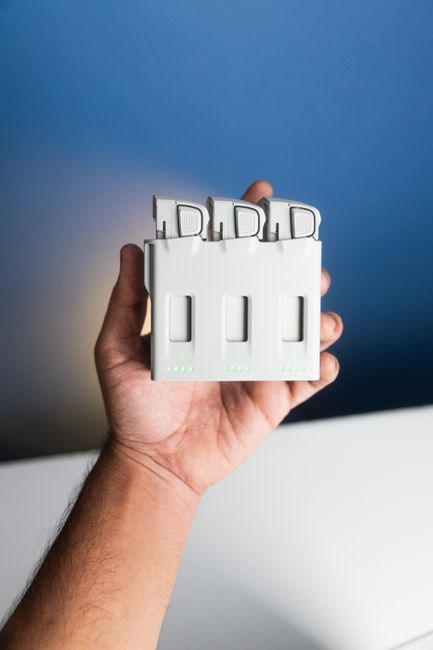
Purpose and Scope

The Deltran Battery Tender manuals serve as guides for users, technicians, and service personnel. They outline the intended use of each model—such as the 12V6A and 24V3A Power Tender Plus, the single‑voltage Junior, and the Portable Power Pack—detailing voltage ranges, battery types, and charging capacities. The documents provide step‑by‑step installation instructions, from mounting the unit to connecting it to a vehicle’s battery or a dedicated lead‑acid bank. They also explain the various charging modes, including bulk, absorption, and float, and how to adjust settings for different battery chemistries or capacities. Safety instructions cover electrical shock prevention, fire and explosion hazards, and ventilation requirements. Maintenance guidance addresses routine checks, cleaning, and troubleshooting common issues such as error codes or low‑current warnings. The scope extends to integration with vehicle systems, remote starter operation, and battery monitoring, ensuring that users can optimize performance while maintaining compliance with safety standards. By following these manuals, operators can guarantee reliable power delivery, extend battery life, and avoid costly downtime or damage.
Key Features Across Models
Deltran Battery Tender products share a set of core functionalities that make them versatile for automotive, marine, and industrial use. All units provide a self‑regulating charging algorithm that automatically switches from bulk to absorption to float, keeping lead‑acid cells at optimal voltage while preventing over‑charging. The Power Tender Plus 12V6A and 24V3A models support up to 6‑cell (1.2–200 Ah) batteries, offering adjustable output currents and built‑in temperature compensation. The Junior delivers a single‑voltage 12 V or 6 V output, ideal for small batteries such as those in golf carts or small boats. Portable Power Pack units combine a 12 V/24 V charger with a removable battery pack, enabling on‑the‑go maintenance and emergency start. Remote Starter modules integrate with vehicle ignition systems, allowing push‑button starts without a key. All models feature LED status indicators, a low‑current protection circuit, and a built‑in fuse for safety. The manuals also describe optional accessories like cable kits, mounting brackets, and battery monitoring displays, ensuring each product can be tailored to specific applications. These shared attributes provide reliable, low‑maintenance power management across a wide range of battery types and sizes. Its construction and sealed design protect against dust, moisture, and vibration, ensuring reliable operation in demanding the environments.

Safety Instructions Common to All Models
All Deltran Battery Tender units require proper grounding, use only recommended cables, keep the unit dry, avoid short circuits, never open internal components, observe temperature limits, and follow lock‑out procedures and keep terminals!!
Electrical Shock Prevention
Deltran Battery Tender units must be handled with care to prevent electrical shock. Always ensure the unit is properly grounded to the vehicle chassis and use only the supplied insulated cables. Before connecting or disconnecting the charger, verify that the vehicle battery is disconnected from any load and that the charger is unplugged. Never touch the battery terminals or the charger’s live contacts while the unit is powered. Keep the charger and battery in a dry environment; moisture can create conductive paths leading to shock. When servicing, wear insulated gloves and use insulated tools. Do not place the charger on conductive surfaces such as metal tables or in contact with metal objects. Ensure that the charger’s casing is damaged, do not use it; replace it immediately. Follow the manufacturer’s lock‑out procedures during maintenance. Keep children and pets away from the charger and battery area. By following these precautions, the risk of electrical shock is minimized. Additionally, the charger’s internal fuse should be inspected periodically, and any signs of wear or corrosion must be addressed immediately. Use only the manufacturer‑approved charging cables, and keep the charger
Fire and Explosion Hazards
Deltran Battery Tender manuals emphasize that improper charging can lead to overheating and gas buildup, which may ignite. The charger’s built‑in temperature sensor monitors battery temperature and automatically reduces output if temperatures exceed safe limits. Users should keep the charger in a well‑ventilated area away from flammable materials. Do not cover the vent openings or place the charger on combustible surfaces. Ensure the battery is fully isolated from the vehicle’s electrical system during charging to avoid short circuits. The charger’s fuse and circuit breaker must be inspected regularly; a blown fuse indicates a fault that could cause a spark. In the event of a fault, disconnect the charger immediately and replace the fuse before resuming operation. Avoid using the charger in damp or wet environments, as moisture can create conductive paths and increase fire risk. The charger’s casing is rated for automotive use, but any damage to the housing should be repaired or the unit replaced. When the charger is not in use, unplug it from the vehicle and store it in a dry, cool place. By following these precautions, the risk of fire or explosion is significantly reduced. Always refer to complete manual for safety details daynow
Proper Ventilation Requirements

Deltran Battery Tender manuals require the charger to be installed in a well‑ventilated area with at least 12 inches of clearance on all sides; The unit’s ventilation slots must remain unobstructed; covering them can trap heat and increase the risk of hydrogen gas buildup. When used in a vehicle, the battery compartment should not be sealed; a small vent or removable panel is recommended. The charger should not be placed in enclosed spaces such as a trunk or a small storage box without additional airflow. For outdoor use, position the charger on a stable surface with a minimum of 24 inches of clearance around it. Ensure the power cord is not kinked or pinched, as this can restrict airflow and raise temperature. Monitor the charger’s temperature indicator; if it approaches the red zone, pause charging and allow the unit to cool in a ventilated area. Following these guidelines minimizes overheating and gas accumulation, ensuring safe and efficient charging for all Deltran Battery Tender models. These ventilation practices are essential for maintaining battery health and preventing hazardous incidents in all environments worldwide

Power Tender Plus (12V6A & 24V3A) Manual Highlights
The Power Tender Plus manual covers dual voltage options, auto‑switching, and a smart charging algorithm that maintains battery health. It details installation steps, safety warnings, and troubleshooting tips for both 12V6A and 24V3A models.!!!Now?
Installation Guidelines
Before connecting a Power Tender Plus charger to a vehicle battery, verify that the battery is fully accessible and that the vehicle’s engine is off. Remove any protective covers and inspect the battery terminals for corrosion or loose connections; Clean terminals with a wire brush and apply a thin coat of anti‑corrosion spray to prevent future buildup.
Locate the charger’s input terminal block, which is marked with a 12V or 24V designation. Use a multimeter to confirm the battery’s voltage matches the charger’s rating. For a 12V6A model, connect the red (+) lead to the positive terminal and the black (–) lead to the negative terminal. For a 24V3A model, ensure the charger is set to dual‑cell mode before making connections.
Secure the charger’s mounting bracket to the vehicle’s chassis using the supplied screws and lock washers. The bracket should be positioned away from moving parts and heat sources. Tighten all fasteners to the manufacturer’s torque specifications to avoid loosening over time.
When connecting the charger, avoid touching the metal contacts with bare hands to reduce the risk of electric shock. After all connections are made, double‑check polarity and ensure that no cables are pinched or twisted. Finally, power on the charger and verify that the indicator lights display the correct charging status.
For vehicles with a built‑in battery management system, consult the vehicle’s service manual to confirm compatibility. Some systems may require disabling the onboard charger or adjusting the battery voltage threshold to prevent conflicts. Follow the manufacturer’s guidelines to maintain warranty coverage.
Charging Modes and Settings
Power Tender Plus offers three charging modes: maintenance, boost, and engine start. In maintenance mode the charger delivers a low‑current trickle to keep a 12‑V or 24‑V battery at its optimal state‑of‑charge. Boost mode supplies a higher current pulse to quickly raise a deeply discharged battery to a usable voltage, ideal for jump‑starting. Engine‑start mode delivers a surge to start a vehicle’s engine, then automatically switches to maintenance once the engine is running. The rotary selector on the front panel selects the mode; the LED indicator shows green for maintenance, yellow for boost, and red for engine start. Users can set the maintenance voltage to 12.6 V, 13.0 V, or 13.5 V for 12‑V batteries, and 25.2 V, 26.0 V, or 26.5 V for 24‑V batteries. The boost current can be limited to 6 A, 12 A, or 18 A for 12‑V models, and 3 A, 6 A, or 9 A for 24‑V models. When the charger reaches the set voltage it switches to a low‑current float mode to prevent overcharging. The float voltage is 12.4 V for 12‑V batteries and 24.8 V for 24‑V batteries. The device monitors temperature; if the ambient temperature exceeds 50 °C the charger reduces the charging current by 20 % to protect the battery. These safety features ensure reliable operation across a wide range of environmental conditions. Adjust as needed for best results .!.

Maintenance and Troubleshooting
Use maintenance mode to keep 12‑V or 24‑V batteries at optimal charge. The charger automatically drops to a float level of 12.4 V (12‑V) or 24.8 V (24‑V). Switch to boost mode first if the battery is deeply discharged, then return to maintenance. For troubleshooting, follow these steps: 1) Verify the charger is plugged into a working outlet. 2) Inspect battery terminals for corrosion; clean with a 0.5 % sodium hydroxide solution and dry. 3) Ensure the battery is lead‑acid; the charger will not work with lithium or Ni‑MH cells. 4) Confirm the selector is in the correct mode; a mis‑selected mode can cause the LED to stay red or yellow. 5) If the LED stays red, reset by unplugging for 30 seconds and reconnecting. 6) Check the temperature sensor; at temperatures above 50 °C the charger limits current. 7) If the battery does not charge, test its voltage; a reading below 11.5 V (12‑V) or 23 V (24‑V) indicates a possible dead cell. 8) For persistent issues, refer to the service manual or contact Deltran support. Regular maintenance, such as cleaning terminals and checking the charger’s indicator lights, will extend battery life and ensure safe operation. Store in a cool, dry place near. !

Battery Tender Junior Manual Highlights
Deltran Junior delivers a single 12 V or 6 V output, auto‑detects battery type, and switches to maintenance mode. It features a safety lockout to prevent accidental discharge. Use only lead‑acid cells and keep terminals clean Keep it dry now!
Single Voltage Output Specifications
Deltran’s Battery Tender Junior is built for single‑voltage lead‑acid batteries, offering either 12 V or 6 V output depending on the installed battery. The unit auto‑detects the nominal voltage and selects the correct charging profile, switching between 12 V and 6 V modes without user input. With a 12 V battery, it supplies a steady 1.5 A output, maintaining a safe charge level and preventing over‑charging. For 6 V batteries, the output drops to 0.75 A, ensuring compatibility with smaller cells. The output is regulated to 13.8 V for 12 V and 7.2 V for 6 V batteries, providing a gentle float charge that preserves battery life. A built‑in safety lockout disables the output if the battery terminals disconnect, preventing accidental discharge of the charger’s internal power supply. The compact design features a single 6‑mm terminal block for easy connection, and the unit can be mounted in tight spaces or a portable kit. Rated for continuous operation from –10 °C to +40 °C, it is suitable for automotive and marine use. The manual recommends sealed lead‑acid batteries only. The Junior’s low power consumption makes it ideal for vehicles stored for extended periods, keeping the battery at an optimal state without manual intervention. By adhering to the specified limits, users can safely extend battery life while minimizing over‑charging risk!!!!!!!!!

Usage in Automotive Applications
Deltran Battery Tender Junior is a charger for that are stored or used infrequently. The unit plugs into the vehicle’s 12‑V accessory outlet, automatically detecting the battery’s voltage and providing a constant charge that keeps the battery at an optimal state of charge. When the vehicle is not in operation, the Junior maintains the battery at 12 V or 6 V, preventing sulfation and extending the battery’s useful life. The charger’s built‑in safety lockout disconnects the output if the battery terminals are removed, ensuring that the charger’s internal power is never exposed to a short circuit. Installation is straightforward: connect the 6‑mm terminal block to the battery’s positive pole, and the negative terminal to the chassis or battery negative. The unit allows it to be mounted under the seat, in the glove compartment, or in a dedicated storage box. For vehicles with a 12‑V battery, the Junior delivers 1.5 A of current, while for 6‑V batteries it supplies 0.75 A. The charger is rated for continuous operation from –10 °C to +40 °C, making it suitable for a range of climates. By following the installation and safety guidelines, users can rely on the Junior to keep their batteries healthy during periods of inactivity, ensuring reliable starting power when the vehicle is needed again.
Safety Precautions Specific to Junior
When using the Deltran Battery Tender Junior, observe the following safety measures to avoid electrical shock, fire, or battery damage:
- Always connect the charger to a charged battery; do not use it on a completely discharged or damaged battery.
- Ensure ignition is off and engine cool before connecting charger.
- Use the supplied 6‑mm terminal block only; do not improvise with other connectors.
- Keep charger and battery terminals free of corrosion and debris; clean with dry cloth if necessary.
- Do not expose charger to water or other liquids; keep it in a dry, well‑ventilated area.
- Do not leave charger unattended while connected to a battery; disconnect after charging cycle is complete.
- Never touch charger’s internal components or exposed wires while powered.
- Do not use charger in confined space with poor ventilation; may emit gases during charging.
- Store charger in a cool, dry place when not in use; keep it out of reach of children.
- Follow manufacturer’s instructions for additional safety warnings or troubleshooting steps.
Following these precautions users to maintain batteries with the charger without risking injury.?!!
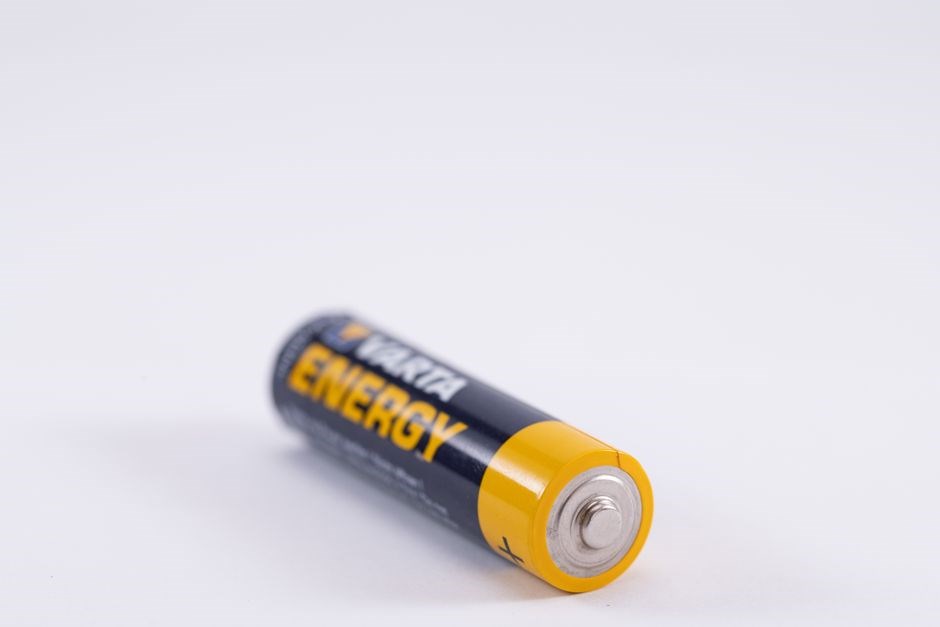
Portable Power Pack and Remote Starter Manuals
Deltran Portable Power Pack and Remote Starter manuals explain setup, power requirements, and integration with vehicle systems. They cover battery capacity, charging modes, and safety guidelines for reliable operation. Battery safety tips included!!!!
Remote Starter Operation
Deltran’s Remote Starter system allows users to start their vehicle from a distance, ensuring convenience and safety. The operation begins with proper installation: connect the starter’s input to the vehicle’s battery, ensuring polarity is correct. The system’s output is then wired to the vehicle’s ignition switch, replacing the standard key‑turn circuit. Once installed, the remote unit can be activated via a handheld remote or a smartphone app, depending on the model. The starter will send a signal to the vehicle’s engine control unit, enabling the starter motor to engage. After the engine starts, the system automatically disconnects to prevent battery drain. Users should verify that the battery is fully charged before using the remote starter, as low voltage can cause failure. The manual recommends testing the starter in a safe, well‑ventilated area to avoid any risk of fire or explosion. If the engine does not start, check the wiring connections, ensure the remote battery is charged, and consult the troubleshooting section for error codes. Proper maintenance includes cleaning the contacts and checking for corrosion. Following these steps ensures reliable operation and extends the life of the vehicle and the starter!
Portable Power Pack Battery Capacity
Deltran’s Portable Power Pack delivers reliable energy for automotive and off‑grid use. It contains a 12‑V lead‑acid battery rated 20 Ah, giving about 240 Wh. The pack can power a 12‑V LED light, a small radio, or a smartphone charger for short bursts. An internal battery management system monitors charge, protects against over‑discharge, and prevents over‑current. Users recharge the pack via the 12‑V DC input or a vehicle accessory socket, with a maximum charging current of 4 A, reaching full charge in roughly 5 hours. The manual recommends keeping terminals clean and using insulated connectors to avoid short circuits. Capacity rating informs expected runtime: a 100‑W load runs about 2.4 hours, a 10‑W load about 24 hours. Periodic electrolyte checks maintain capacity. The unit’s casing is rated for IP54 protection, shielding against dust and splashing water, suitable for outdoor use. The charger’s built‑in temperature sensor shuts off the output if the battery temperature exceeds 60 °C, preventing overheating. Users should disconnect the pack before performing any maintenance on the battery cells. The manual outlines a quick‑start procedure: connect the pack, wait for the indicator to turn green, then use built‑in USB port for low‑power devices. For heavy‑load applications, the user may connect multiple packs in parallel, but the manual cautions against exceeding the combined current rating. Supports up to 5 A output for accessories and.
Integration with Vehicle Systems
Deltran’s Portable Power Pack is engineered to integrate with a vehicle’s existing electrical system. The unit connects to the 12‑V accessory socket for low‑power accessories or to a dedicated 12‑V/24‑V input for higher‑current loads. Wiring diagrams illustrate correct polarity, fuse placement, and grounding to the chassis. The built‑in 12‑V/24‑V relay can be wired to the ignition switch, allowing the pack to draw from the battery only when the engine is running, thereby preventing parasitic drain. For remote‑starter use, the manual recommends connecting the pack’s 12‑V output to the starter solenoid via a 12‑V relay, and using the vehicle’s ignition key to trigger the relay. A 12‑V/24‑V DC‑DC converter can step down a 24‑V battery to 12‑V for accessories. The manual advises using shielded cable, securing all connections with lock‑nuts, and verifying that the total current draw does not exceed the vehicle’s alternator rating. This ensures reliability. It helps. By following these guidelines, users can safely add the power pack to their vehicle’s existing power distribution network, ensuring reliable operation of electronic devices while maintaining battery health!!!…